

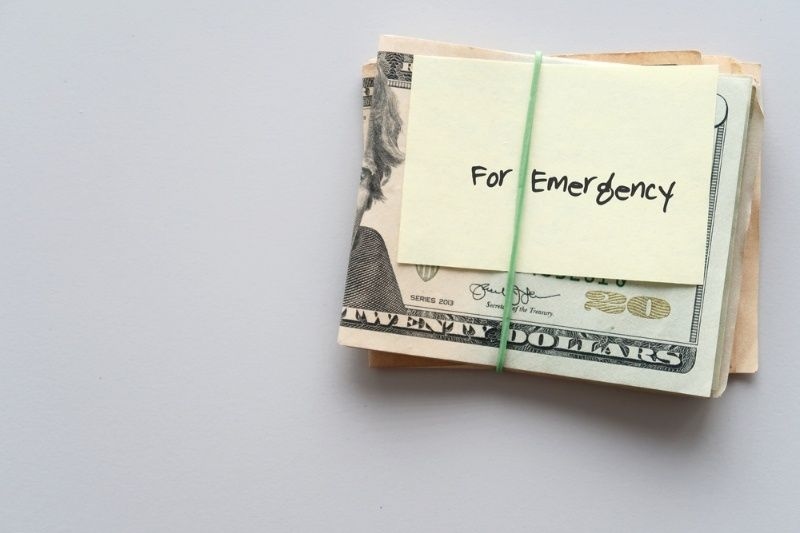
Life throws curveballs, and sometimes you just need cash—fast. Maybe you’re staring at an unexpected medical bill, suddenly have to book last-minute travel, or your car breaks down out of nowhere. Knowing how to get emergency money helps you stay cool when things go sideways.
Let’s break down some of the best ways to get cash quickly and a few financial emergency tips to keep in mind so you don’t end up making expensive mistakes.
There are plenty of helpful emergency cash options when you need money fast. A few of them are mentioned here:
If you’ve got an emergency fund, use it. That’s always the safest way to handle tough situations—your cash, no interest, no anxiety about paying someone back. Most money pros recommend saving enough to cover three to six months of expenses, just in case.
No savings? That happens. Lean on what you’ve got and combine it with other options if you need more.
Sometimes the quickest fix is borrowing from someone you trust. If you’re facing a cash crunch, a loan from friends or family is one of the cheapest ways to get help—usually no interest and way fewer hoops to jump through. Just be upfront about how and when you’ll pay it back. Protecting that trust means everything.
This approach works best for smaller amounts and short-term needs. It’s a lot safer than payday loans or credit cards with sky-high rates.
Credit cards can be a lifeline in an emergency. They’re accepted just about everywhere and let you pay instantly. But here’s the catch—if you don’t pay that balance fast, interest piles up before you know it. If you use a credit card, have a plan to pay it off as soon as you can. Otherwise, it’s easy to dig yourself into long-term debt.
Need a larger amount of money? Personal loans usually get authorized and paid out pretty fast, even in one day sometimes. Personal loans are suitable for major expenses and come with more structure than a credit card or payday loan.
Before completing an application, compare the interest rates and terms of many lenders, as they can be very different from each other. A poor choice of loan can make an already bad financial situation worse.
If you want an established repayment schedule and instant access to cash, then a personal loan is a trustworthy option.
Payday loans offer you instant money, but there is a catch—they are very costly most of the time, with high fees and exorbitant interest. Besides, they are intended for short-term borrowing, and if you mess up, you will probably end up constantly borrowing just to repay the previous loan.
Honestly, consider payday loans only as a last resort. If you end up going this route, understand exactly what you’re signing up for. Know the fees, know the risks, and don’t let it turn into a habit.
Bottom line—being prepared and knowing your options is everything. The right emergency cash planning keeps stress in check and stops your surprise expense from turning into a bigger problem.
When you're in need of cash quickly, search your surroundings. It's likely that you have valuables from items you no longer use. This could include old phones, spare chairs, and clothes long forgotten at the back of your closets. Toss them up on an online marketplace, and you might be surprised how quickly someone wants to buy.
This is one of the quickest fixes because you’re not getting sucked into loans or interest payments. Selling your things helps you tackle urgent money help without piling on more debt.
If you’re working and money’s tight, ask your employer about a salary advance. Lots of companies do this, especially if you hit a rough patch. It’s usually way cheaper and simpler than grabbing a payday loan.
Repayment gets handled when your next paycheck hits, so you don’t need to juggle bills or stress over paying it back. This option frequently gets overlooked; however, it can be extremely useful if you require immediate cash.
There is an abundance of lending applications available today, all claiming to provide you with immediate cash in a matter of clicks. The process is fast, and approval usually happens in minutes—so it’s tempting, especially when you’re in a bind. Just make sure to do it with care; choosing your app is a critical step. Certain apps will ask you for very high fees or will deceive you by adding hidden costs.
The very first thing you should do is to check reviews and read the fine print thoroughly before going ahead. If the lender seems shady, skip it. No emergency is worth getting trapped in a mess.
When stress hits, people sometimes grab whatever money’s available. That can actually make things worse. Stay away from untrustworthy lenders and loans with confusing terms. Not every quick loan is safe; some drag you deeper into debt. Keeping your cool and doing a bit of homework pays off.
Handling today’s emergency is great, but planning for the next one—that's even better. Start small. Toss a little into savings every payday, and before long, you’ve got a cushion for those “oh!” moments.
The more you stash away, the less you'll scramble for cash or get stuck with expensive loans when things go sideways. It pays to plan ahead—money worries don’t hit as hard if you’re ready.
Discover More Insights: How to Deal with Financial Anxiety Without Losing Control?
Everyone gets hit with surprise expenses. A busted pipe, a health scare, or some urgent money help—they all demand quick payment. If you already know your options, you’re way less likely to panic and take out pricey loans or fall into debt traps. Being prepared by following some financial emergency tips helps you act smart instead of being desperate.
Money emergencies are rough. But if you know what you can do, you won’t have to freak out. Sell stuff you’re not using, ask for a paycheck advance, or check out legit lending apps. Just don’t rush into risky loans—really think it over.
Stick to a repayment plan and stay ahead of your bills if you can. You’ll save yourself a lot of trouble. Keep your guard up, and you’ll handle whatever life throws at you with these quick money solutions.
Honestly, it depends. Your own savings, borrowing from family, using credit cards, or getting a personal loan are all solid choices.
Fast cash loans can be secure; however, it is best to evaluate the interest rate, additional fees, and the reputation of the lender before proceeding.
For short-term loans, a personal bank, mutual friend, or relative would be the safest source.
Save a little every month, build up an emergency fund, and follow smart money tips. That’s your best bet.
This content was created by AI